Penang Travel Guide: Why This Malaysian Island Stayed With Me
A first-hand Penang travel guide covering George Town, Penang Hill, local street food, Malaysia visa rules, transport costs, and the best time to visit.

I've traveled to Malaysia several times now, but if I had to pick one place that truly stayed with me, it would be Penang.
Penang is home to roughly 1.8 million people, according to the Department of Statistics Malaysia, and that number shows up in how the island feels — a genuine mix of Chinese, Malay, and Indian communities living side by side.
One moment you're wandering past colonial buildings, temples, and street art, and a short drive later you're surrounded by greenery or looking out at the Andaman Sea. It's a rare balance, and it's hard to find elsewhere.
What I love most is how effortless Penang feels for travelers. It's easy to get around, easy on the budget, and welcoming even if it's your first time in Southeast Asia. Whether you're a solo traveler, a foodie, a digital nomad, or just after a relaxed holiday, Penang fits.
Getting to Penang
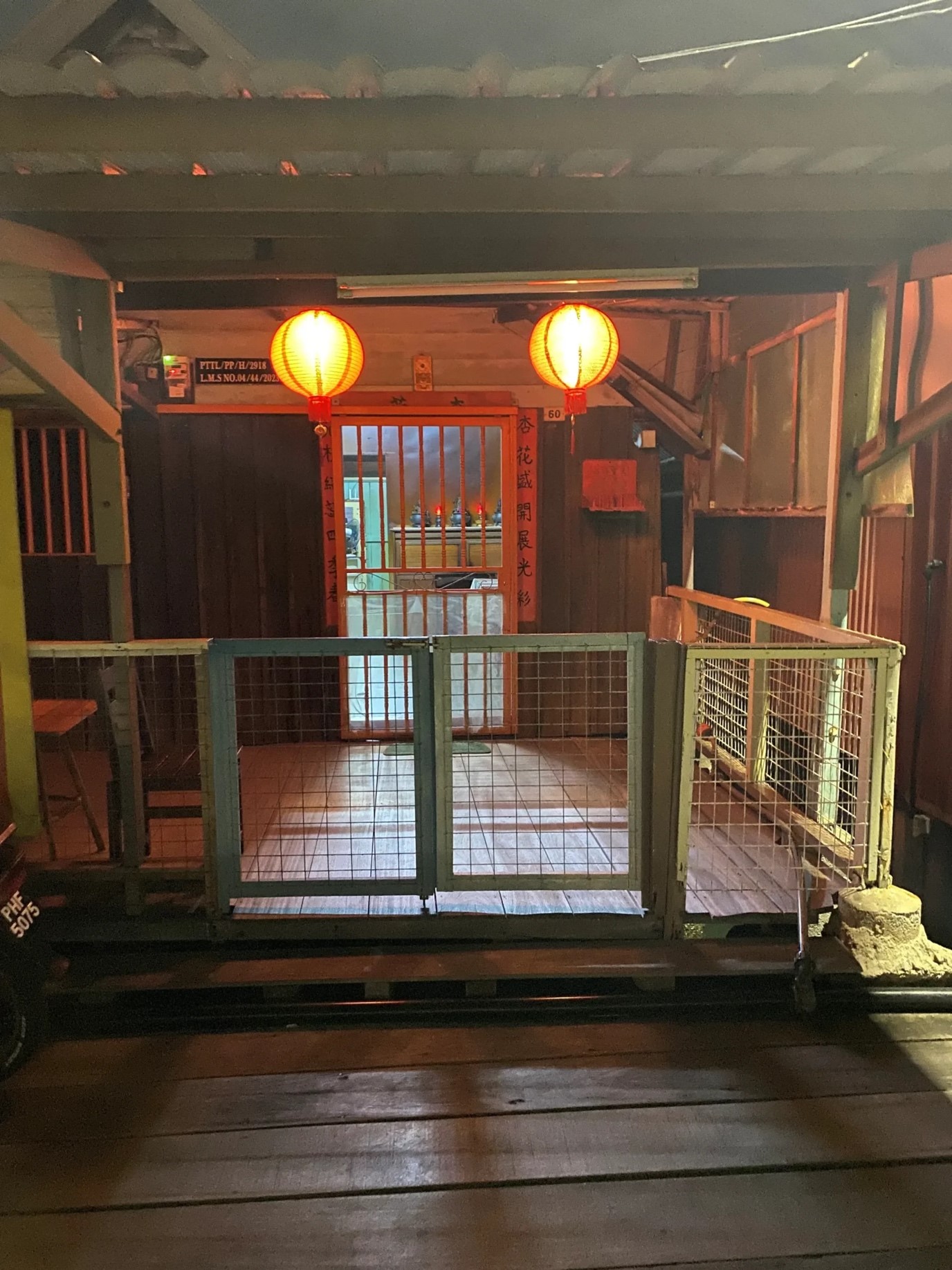
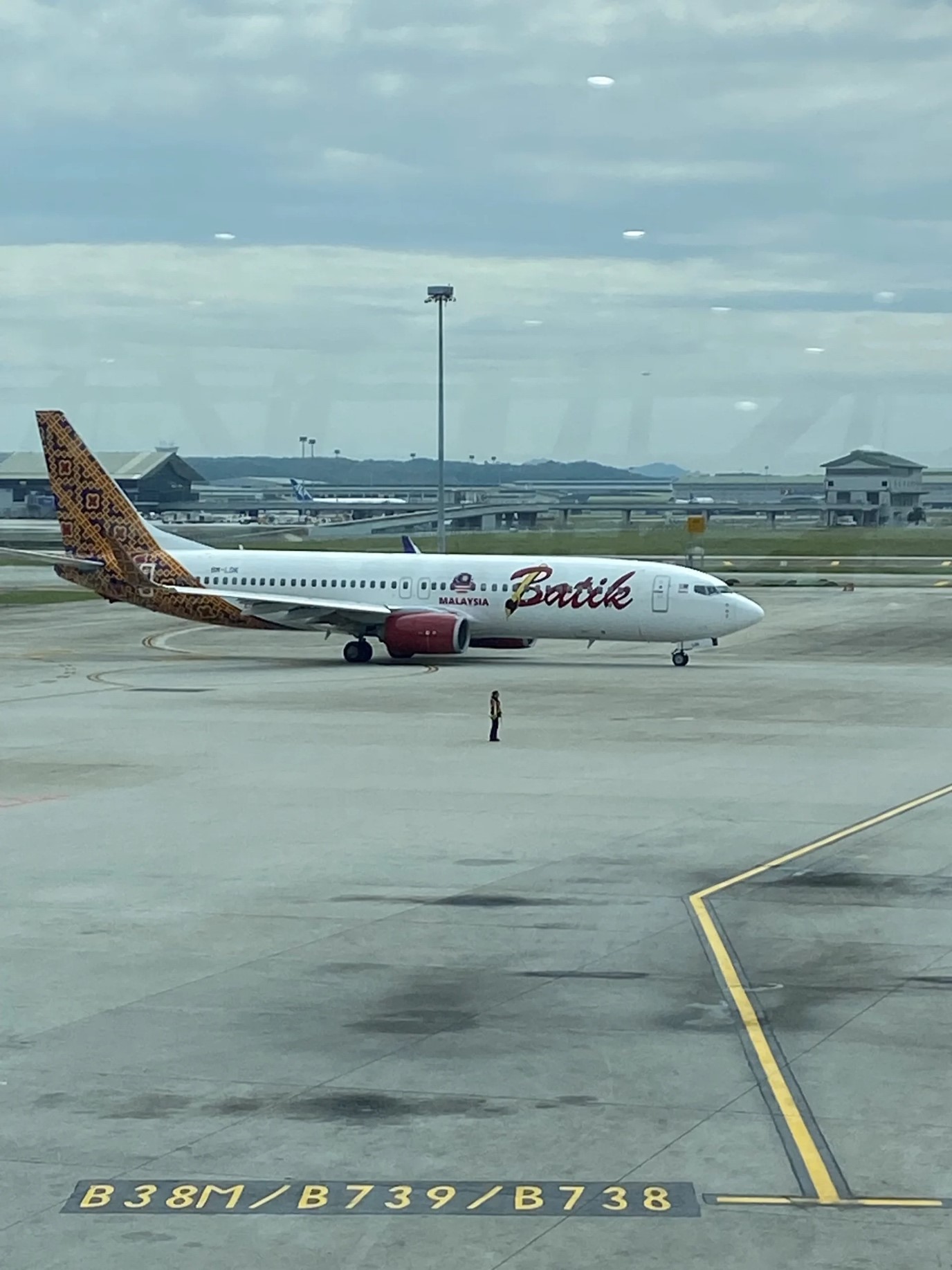
Penang Island sits just off the west coast of Peninsular Malaysia. If you're flying in, the trip from Kuala Lumpur takes about an hour, and budget fares typically run 23–50 USD one way. Batik Air, Malaysia Airlines, AirAsia, and others run frequent daily flights, so getting there is straightforward.
You can also take a bus from Kuala Lumpur via TBS (Terminal Bersepadu Selatan). Tickets usually cost 12–15 USD, and the ride takes about 5 hours.
Do You Need a Visa for Malaysia?
Citizens of several countries are visa-exempt, including the UK, Canada, Australia, New Zealand, Ireland, Switzerland, the Netherlands, Singapore, South Africa, Maldives, Mauritius, Kenya, Tanzania, Uganda, Zambia, Zimbabwe, and a number of Caribbean and Pacific island nations.
Processing generally takes 2–7 working days through Malaysia's Immigration Department.
Chinese nationals can enter Malaysia visa-free for tourism and social visits of up to 30 days per entry.
Indian passport holders currently enjoy visa exemption.
Always check the current visa requirements for your specific nationality before booking, since these rules shift more often than people expect.
Penang is one of those places where the mix of culture, food, history and nature makes it easy to keep finding something new.
Best Time to Visit Penang
Penang runs on a tropical climate year-round, so warm and humid is the baseline no matter when you go. Still, some months are noticeably better than others. December through February is the driest stretch and the most popular time to visit — brighter days, more pleasant walks through George Town, and better beach conditions.
What surprised me is that even during this peak season, Penang stays budget-friendly. Accommodation, street food, and local transport all remain reasonably priced, so traveling in the "best" months doesn't come with the usual price surge you'd expect elsewhere.
If you travel outside that window, you might catch heavier rain, especially between June and October — but the showers tend to be short rather than all-day washouts. A lot of travelers actually prefer this quieter stretch since the city feels less crowded and more relaxed.
Getting Around the Island
Grab is the go-to ride-hailing app here, and it's generally affordable, though fares shift during peak hours. On my recent trip, rides ran anywhere from 5 RM ($1.23 USD) to 30 RM ($10 USD) depending on distance and time of day.
Local buses cover almost every major attraction and are even cheaper — typically 1.40 RM ($0.35 USD) to 2.40 RM ($0.59 USD) per ride. One practical tip: drivers don't give change, so carry coins if you're planning to bus around. Komtar is the main terminal, and from there you can reach almost anywhere on the island.
If you're staying centrally in George Town — around Love Lane, Armenian Street, or Muntri Street — a lot of the best spots are walkable. Clan Jetties, Little India, Armenian Street, Love Lane, and countless food stalls are all within reach on foot.
George Town: Where the Story Really Happens
George Town is a UNESCO World Heritage area, and it's easy to see why it anchors most people's Penang trip. Staying here puts you close to the main sights and the nightlife.
Street Art and Trishaws on Armenian Street

Penang is known for its street art, and Armenian Street is ground zero for it — murals everywhere, including the iconic laughing child on a bicycle that's become something of an unofficial symbol of the city (you'll see it on souvenir bags too).
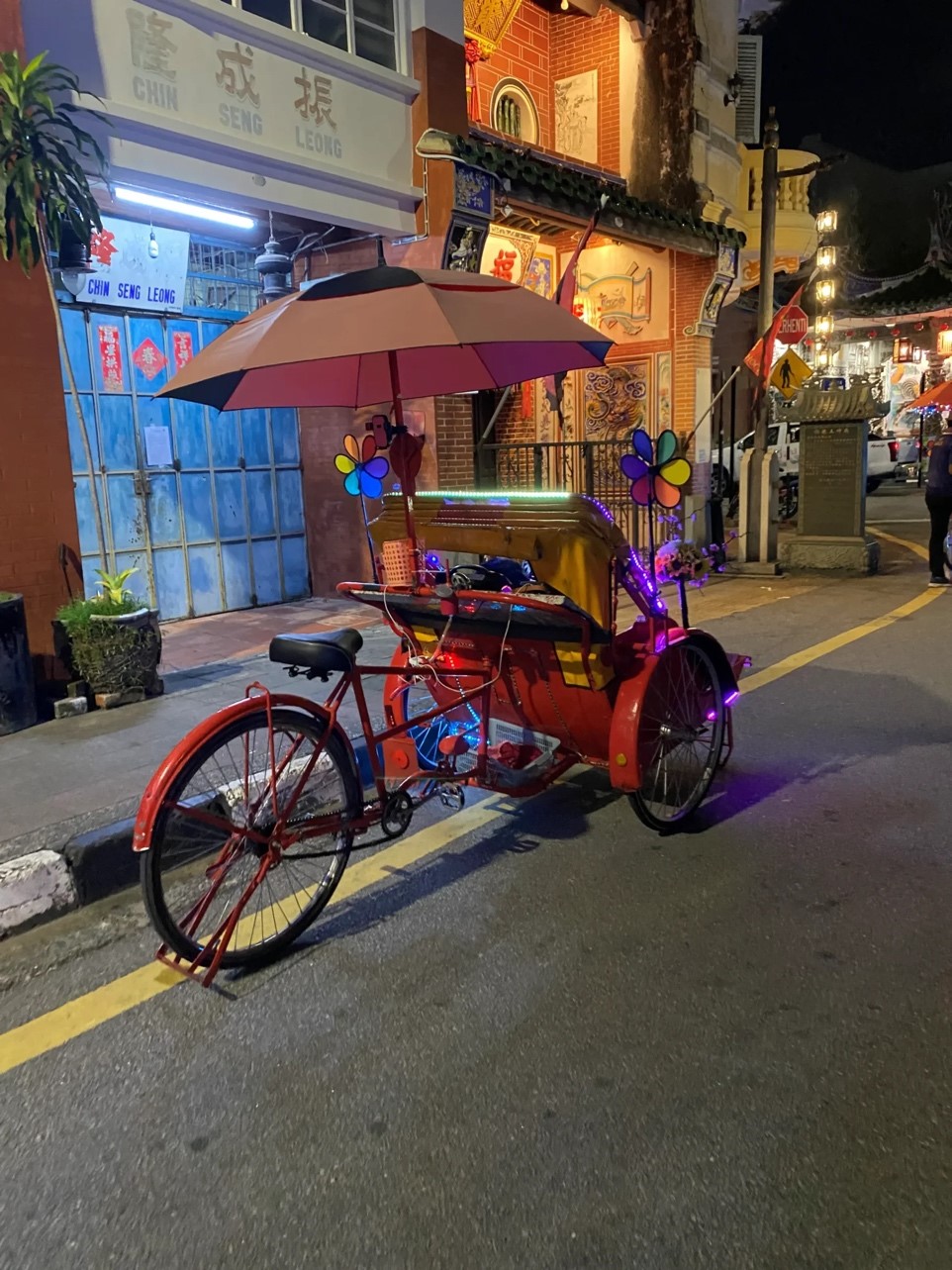
You can also catch a trishaw ride — a three-wheeled bicycle taxi — along the same street, often with a man singing live music on the corner. Most of the main souvenir shops are here as well.
Temples, Mosques, and Love Lane
George Town holds a real concentration of history. Kapitan Keling Mosque was built in the 19th century by Indian Muslim traders, and Kuan Yin Teng Temple dates back to the early 1800s, standing as one of the city's most important Chinese temples.
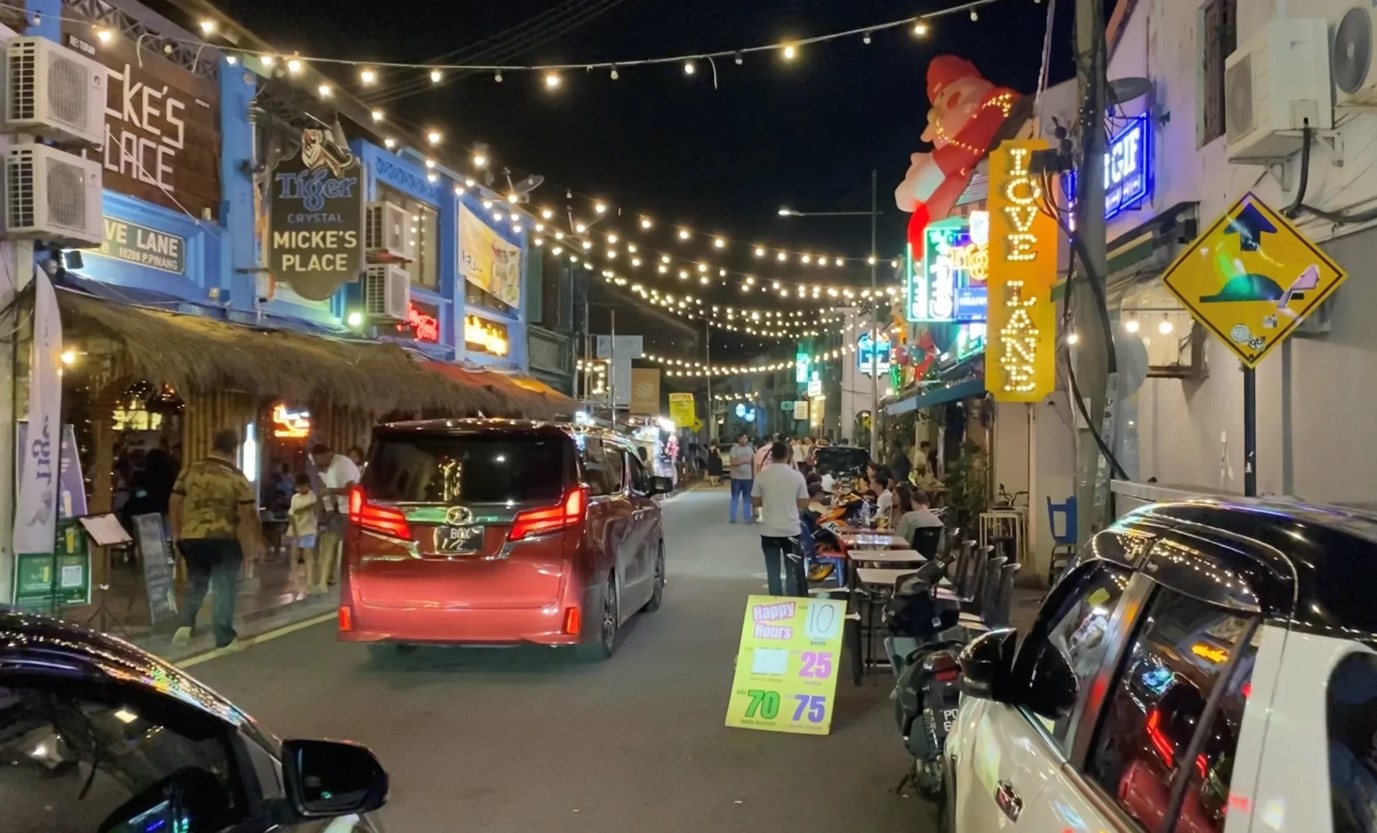
Love Lane is one of the liveliest nightlife spots — it was once where wealthy merchants kept their mistresses, and today it's lined with bars and cafés that fill up with music and people after dark.
Little India and the Clan Jetties
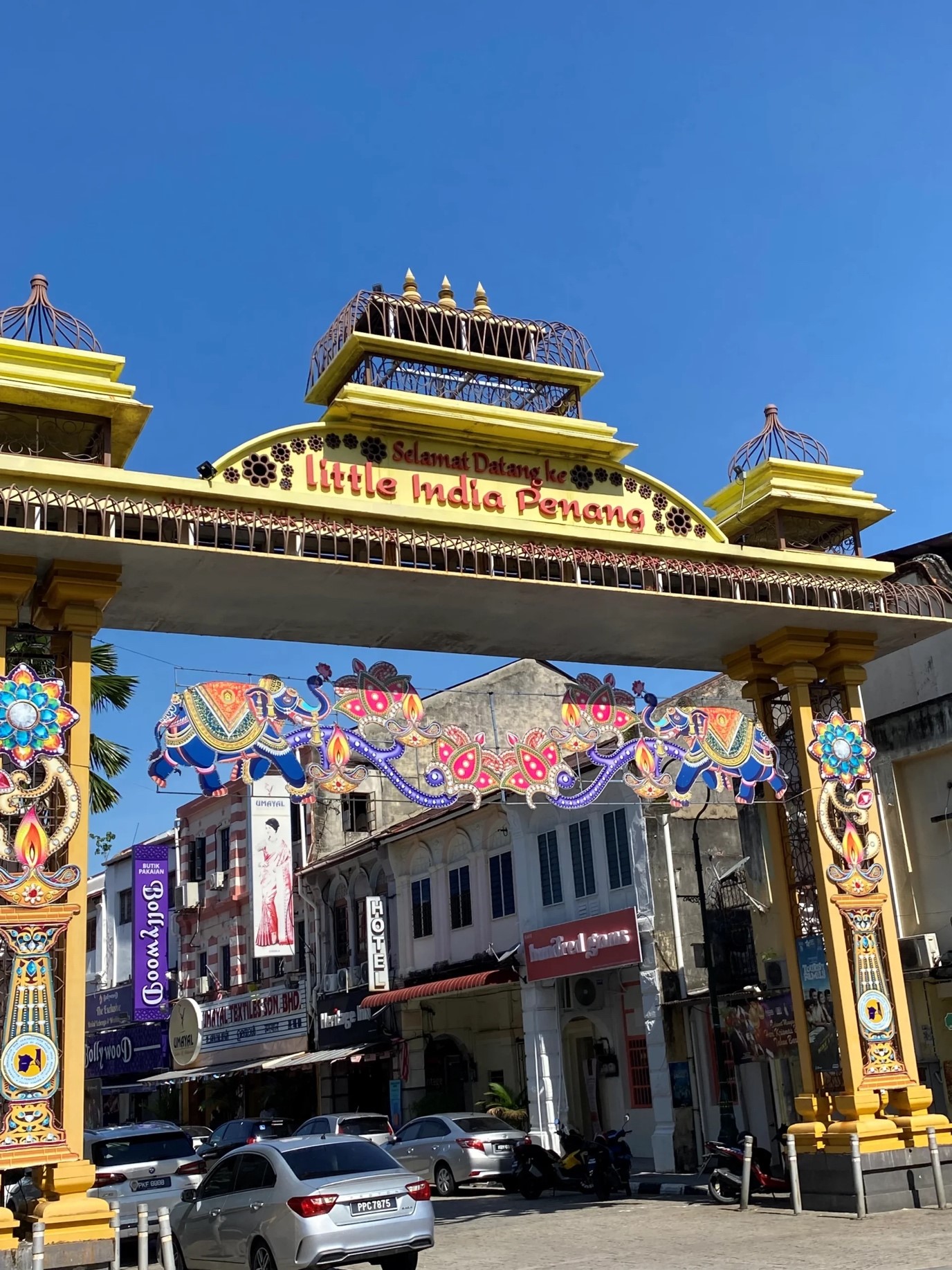
A few minutes' walk from Armenian Street brings you into Little India. The transition is immediate — Bollywood music, the smell of spicy curries, and shops selling jewelry, flowers, and colorful clothing on every corner. There's a busy Indian chai café nearby that's always packed with people sipping tea and talking.
From Little India, it's a short walk to the Clan Jetties — six wooden stilt villages built along Penang's waterfront in the 19th century by Chinese immigrant clans.
Many families still live there today, which makes it one of the more genuinely fascinating spots in the city rather than a purely staged attraction.
Penang Hill
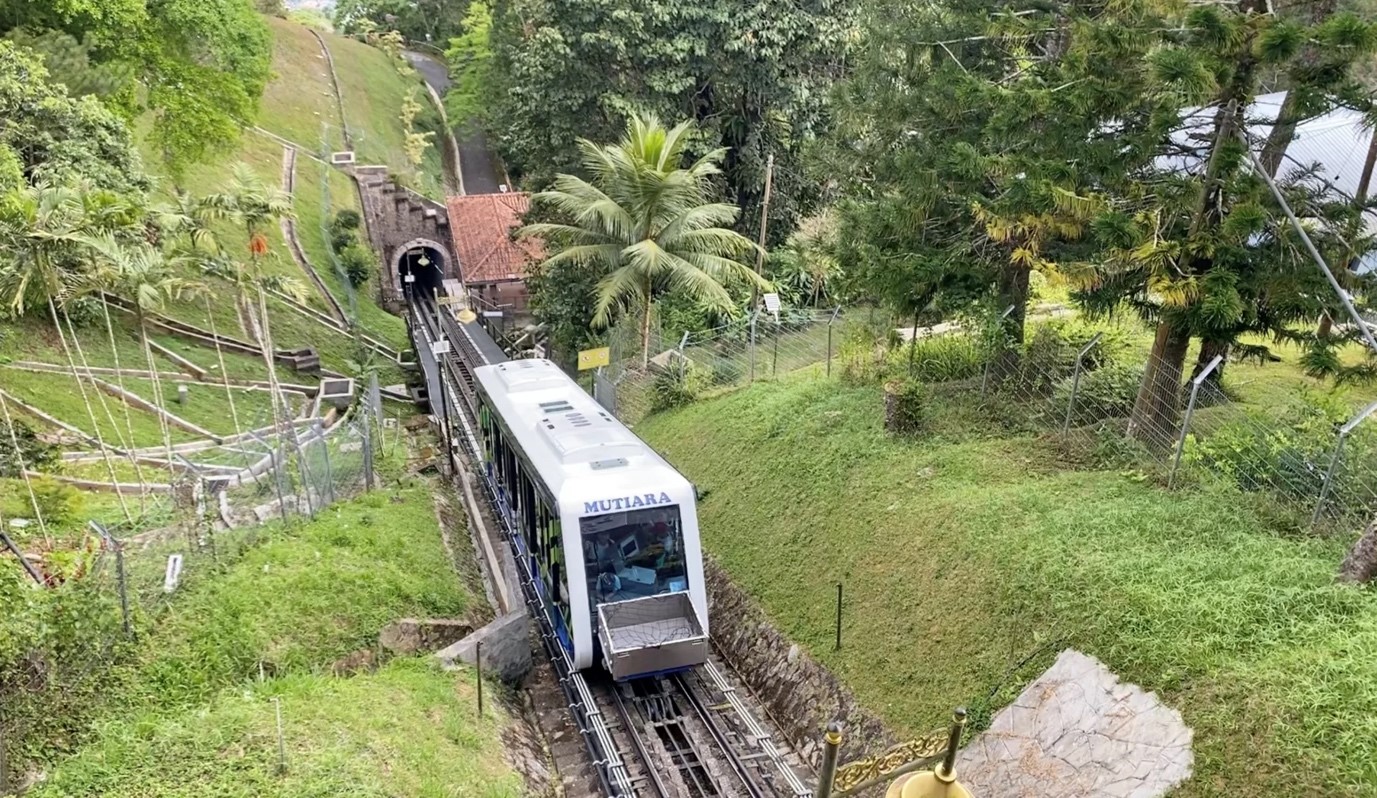
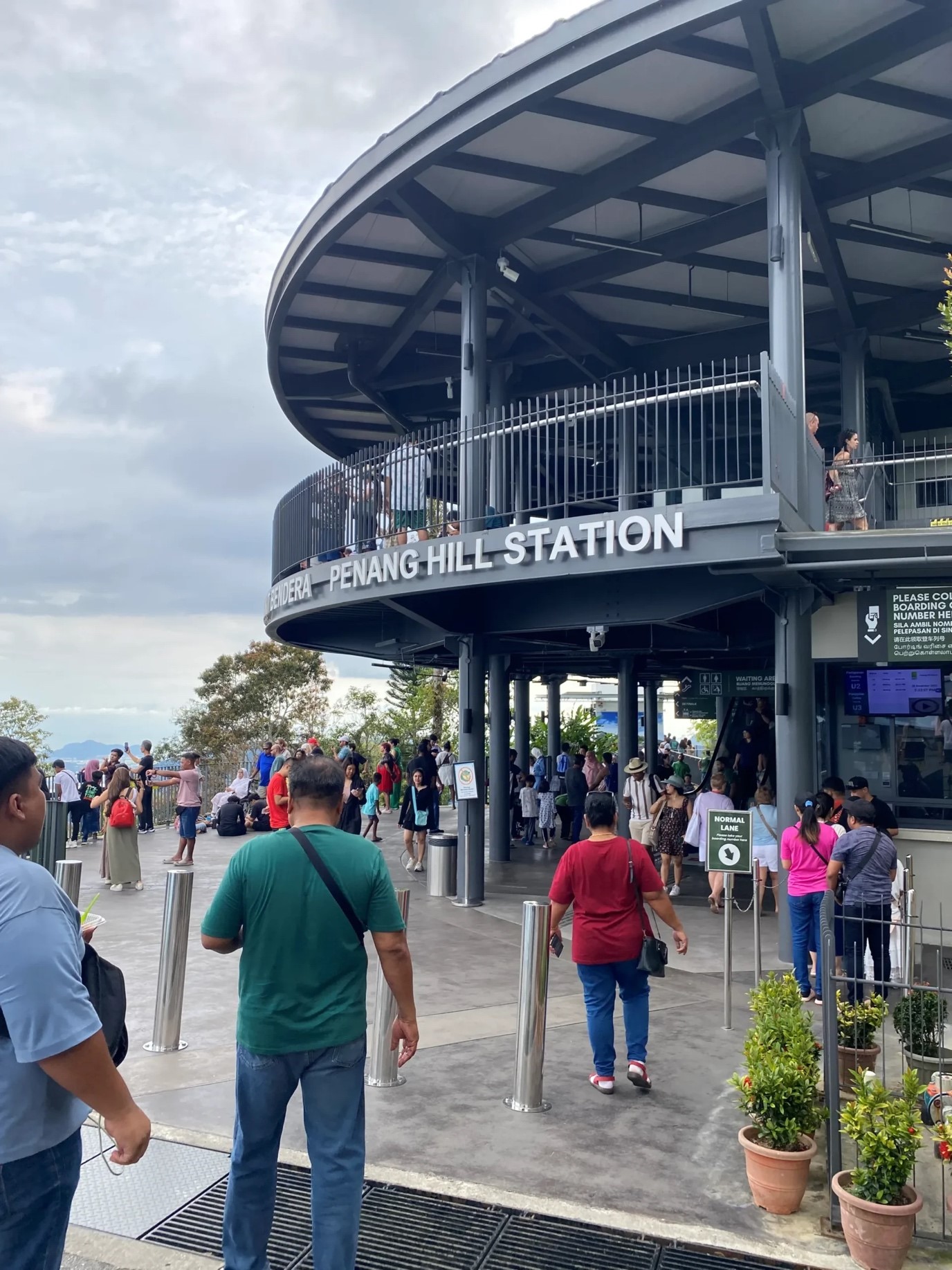
Penang Hill — Bukit Bendera in Malay — is one of the island's must-do attractions, and it deserves its own block of time. Plan for 5–6 hours total, including transport and time at the top.
Rapid Penang bus 204 goes directly to the lower station; other routes leave you with extra walking. Grab or bus 204 is the easiest way in.
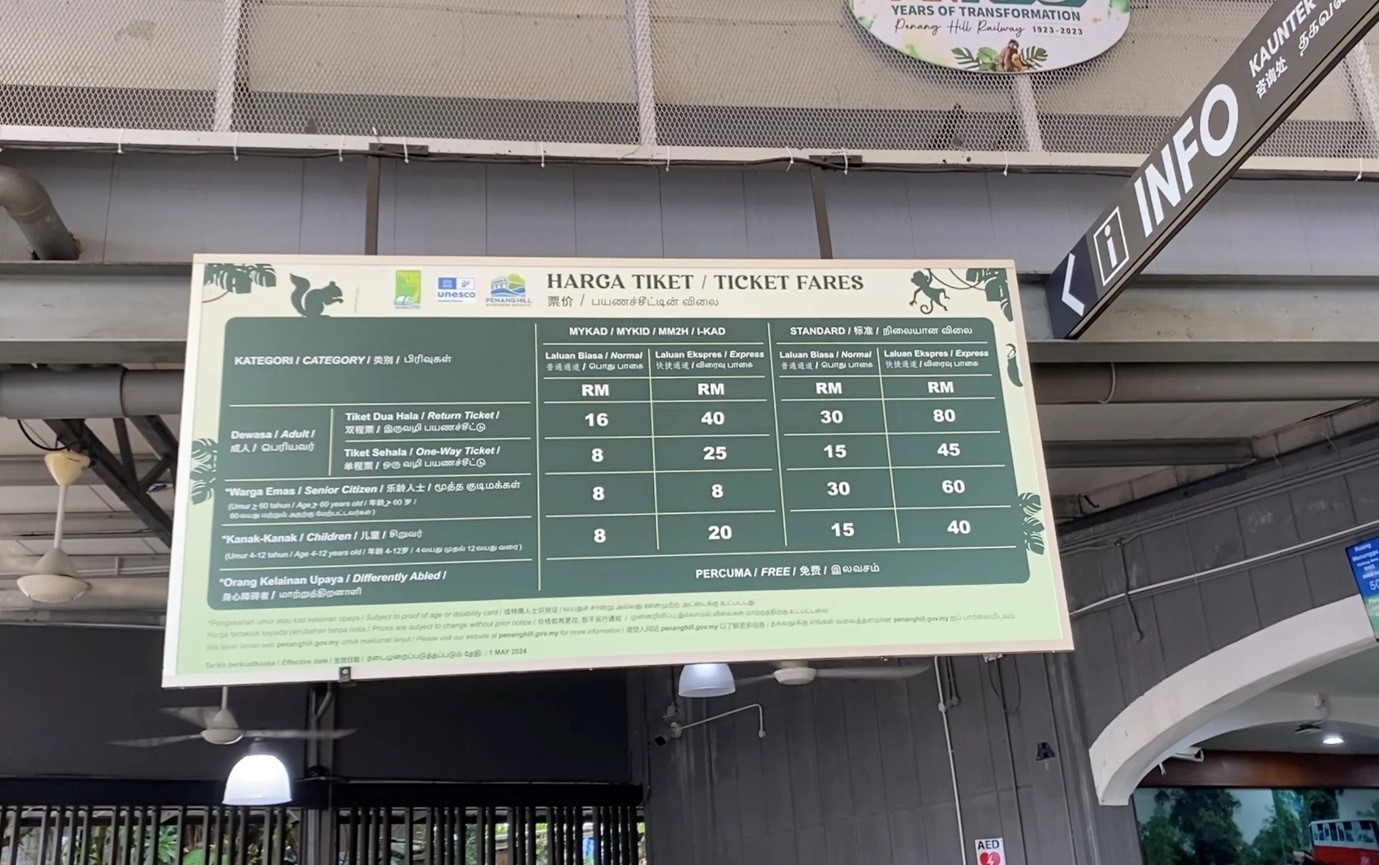
Once there, you'll queue for funicular tickets — around 18 RM for a standard return and 40 RM for the express lane.
At the top, the air is noticeably cooler, and the views over George Town are worth the wait alone. A short walk up some stairs leads to Sri Aruloli Thirumurugan temple and the Penang Hill Mosque, and there are a few cafés, souvenir shops, and a small playground.
I'd recommend spending a few hours here in the late afternoon and staying through sunset — that's when families come up to relax, and the light is at its best.
If you want more, The Habitat at Penang Hill offers a deeper rainforest experience for an extra fee. David Brown's Restaurant, up near the top, is well known for its views and worth a visit.
Where to Eat in Penang
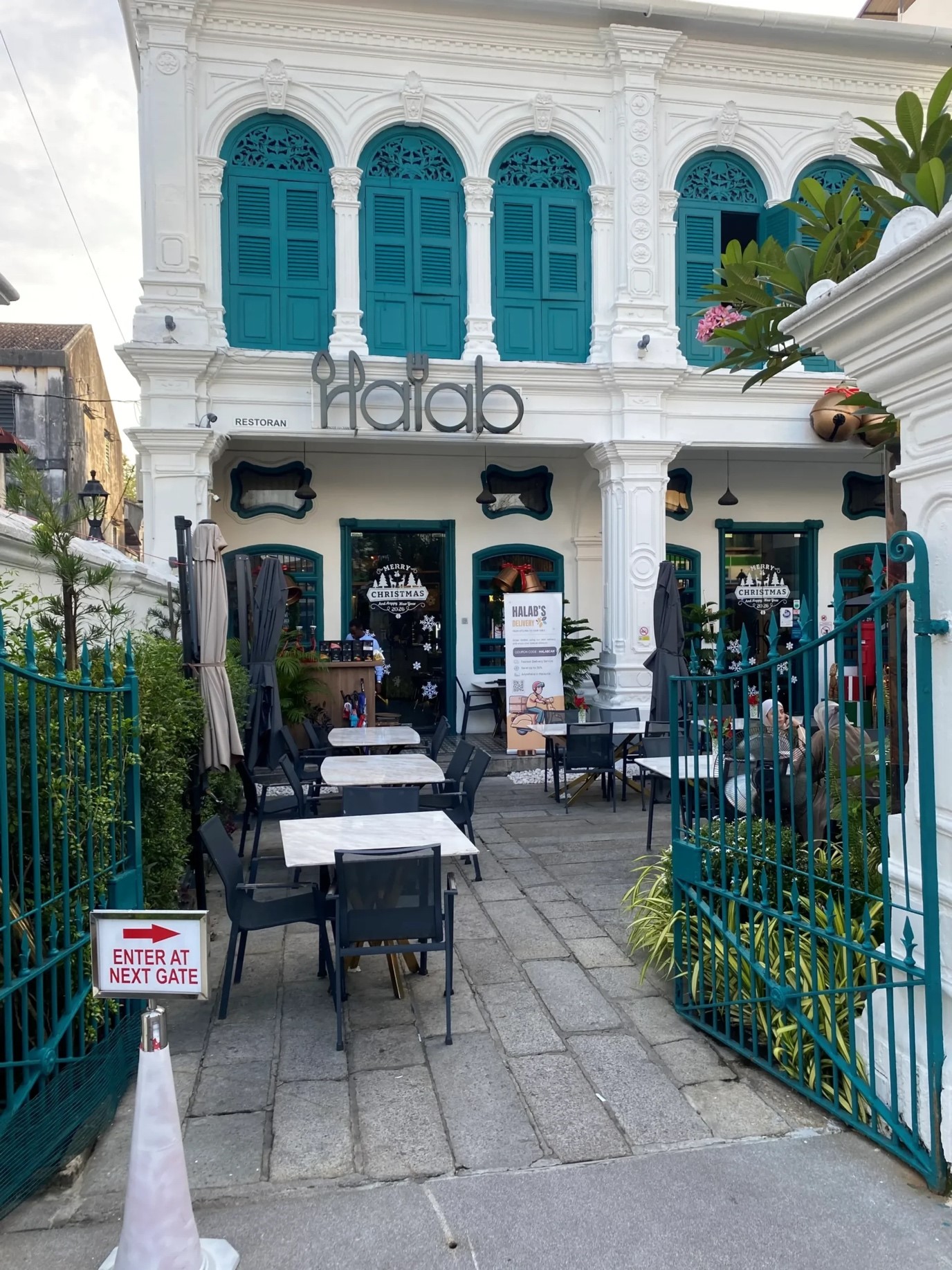
After George Town, it's time to talk about the real reason a lot of people come to Penang: the food. It's often called Malaysia's food capital, and it earns that title.
Local Favorites
Food is everywhere here — busy street carts, small local restaurants, people eating on every corner. The range is genuinely wide: Nasi Lemak, Ayam Goreng, Penang Laksa, Char Kway Teow, Nasi Kandar, Tom Yam, and plenty more.
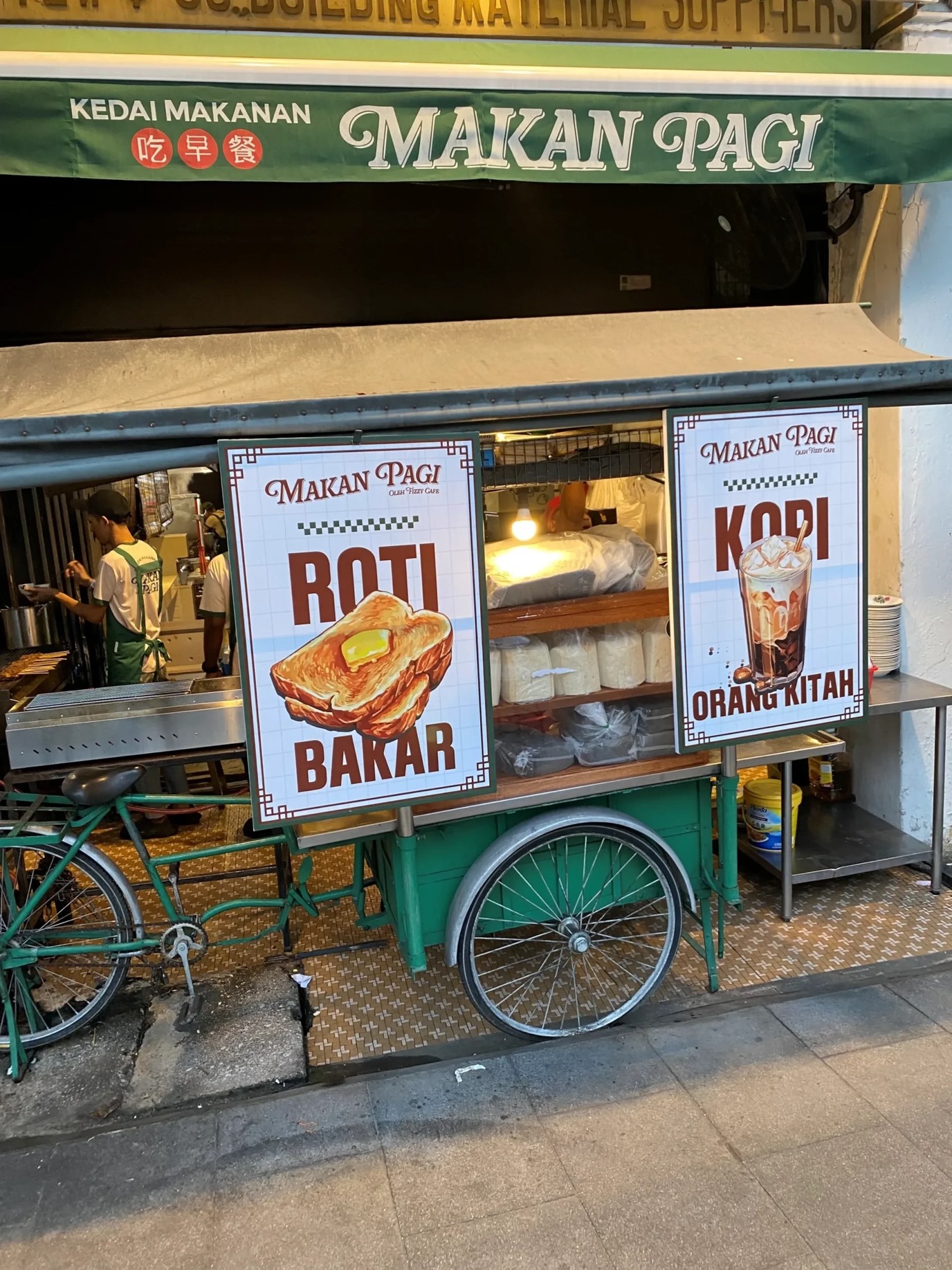
I stopped at a local spot called Makan Pagi, and it delivered on both taste and service — food that felt genuinely authentic. Expect a wait during lunch or dinner, but it's worth it.
Arabic Food in George Town
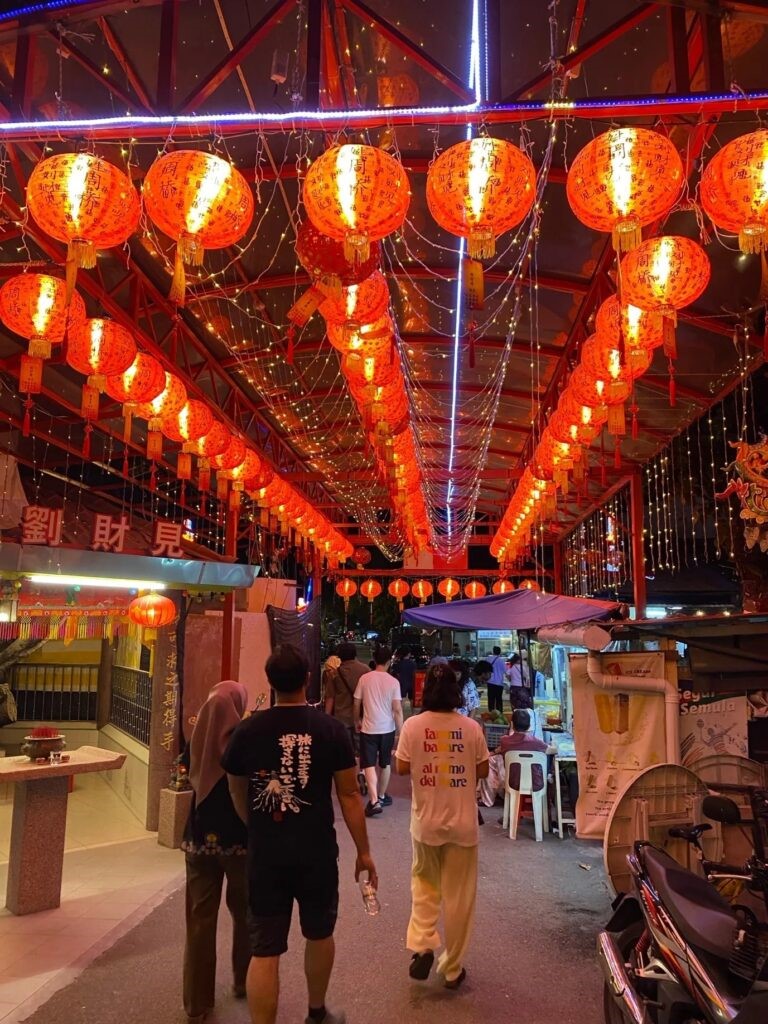
There are a handful of Arabic restaurants in George Town, and they run noticeably more expensive than local food.
I tried Halab, a fine-dining spot with excellent service, though the flavors weren't quite what I'd call traditional Arabic cooking. You'll find Shawarma, Mandi, Kabsa, Maklouba, grilled dishes, and Arabic tea there — and of the Arabic restaurants I came across, Halab was the best of the bunch.
You can also order through Grab if you'd rather eat in than go out.
Batu Ferringhi Beach
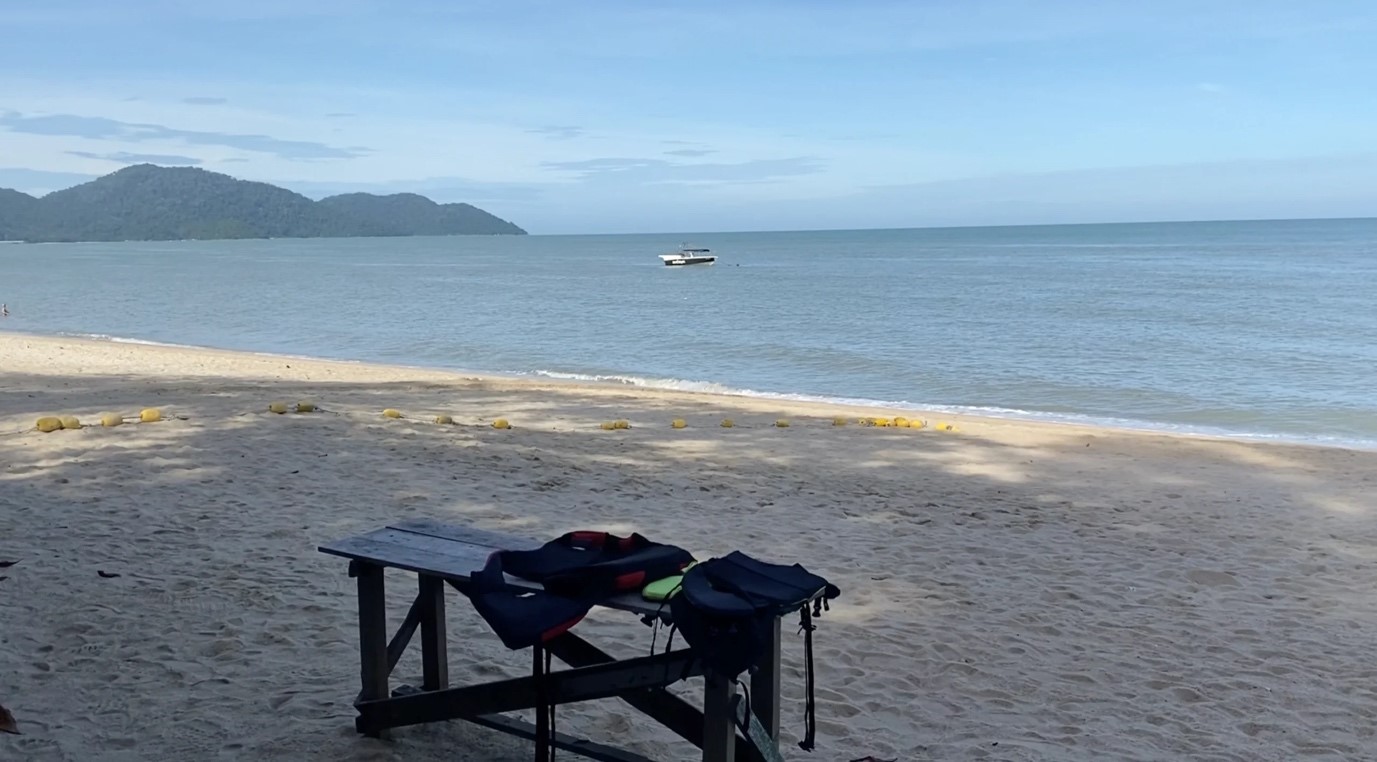
Batu Ferringhi was one of my favorite spots on the island, and there's no shortage of hotels and resorts if you want to stay nearby. I took bus 102 from the Love Lane bus stop straight to the beach — fare was 2.4 RM ($0.59 USD).
I visited during the day, but if you go in the evening and stay late, there's a street food market nearby worth checking out.
My Recommendation
If you only have a few days in Malaysia, Penang earns them. It's rare to find a place where you can walk through centuries-old streets in the morning, ride a funicular into cool rainforest air by afternoon, and end the night over some of the best street food in Southeast Asia — all without stretching your budget.
Give George Town and Penang Hill a full day each if you can, and leave room to just wander. Some of the best parts of this island aren't the ones you plan for.

If this was useful, the Sunday email is more of it.
One email a week. What I published, what changed in the rules, and one good thing I read. Leave any time.