Italy Travel Guide: What I Learned About Trains and Timing
Trenitalia vs. Italo, visa and ETIAS updates, best time to visit, and the timing mistake that taught me more about traveling Italy than anything else on the trip.

I booked my Rome-to-Venice ticket on Italo three weeks ahead of my trip, and it saved me a genuinely surprising amount of money. When I checked prices again at Roma Termini on the actual day of travel, out of curiosity, they had doubled.
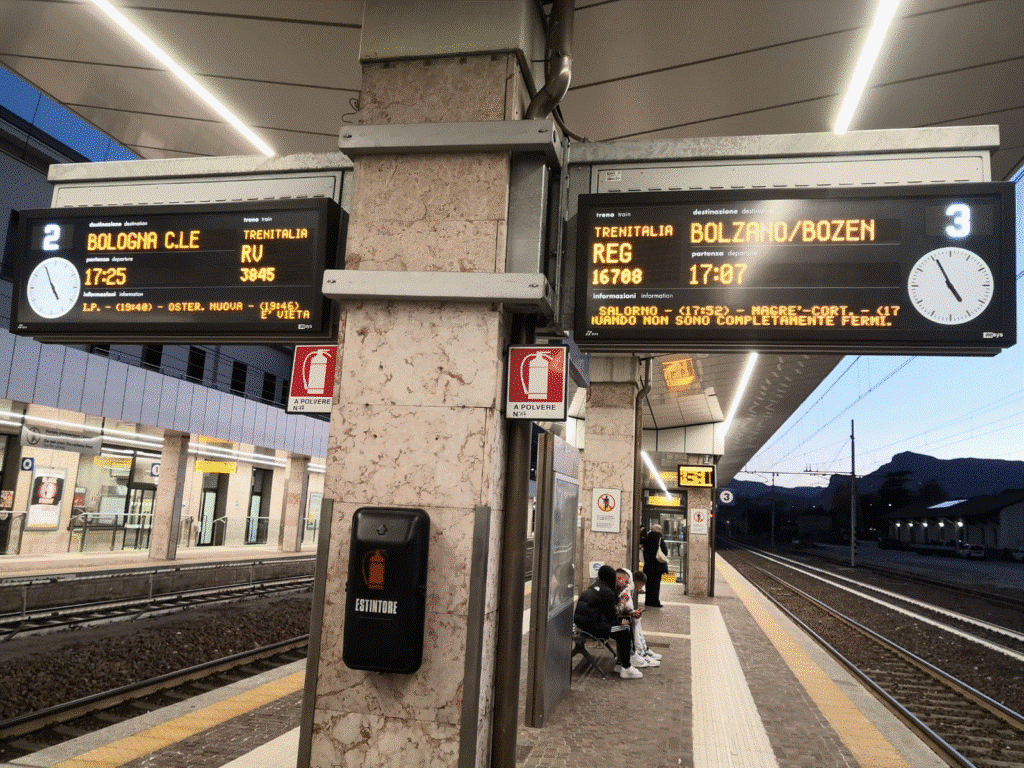
That one comparison taught me more about traveling Italy than anything else on this trip: book your trains early.
Italy runs on two main high-speed rail operators, Trenitalia and Italo, and both get you around the country quickly and comfortably.
I've noticed Trenitalia tends to run slightly more expensive than Italo, but it also feels more premium. When I traveled Venice to Milan on Trenitalia, the seats were more spacious and the whole experience felt a step up.
If comfort matters more to you than shaving off a few euros, Trenitalia is worth the difference.
Either way, the real lesson is timing — check schedules and book online well in advance rather than waiting until you're at the station.
Major Stations to Know
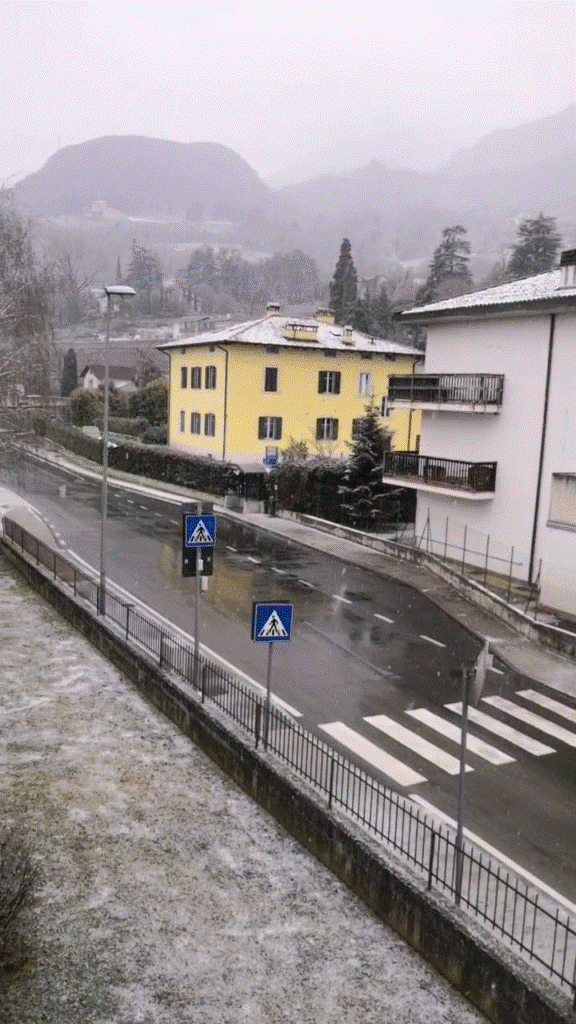
A handful of stations connect most of the country, and knowing them makes planning easier.
Do you need a visa for Italy?
Italy sits inside the Schengen Area, which covers 29 European countries. Which visa rules apply to you depends entirely on which passport you hold.
The EU has visa-free agreements with 61 non-EU countries, so travelers from places like the US, Canada, the UK, Australia, Japan, and Singapore can enter Italy for short stays without applying for anything in advance.
There is a change coming for you, though. See the ETIAS box below.
Italy follows Schengen visa rules, so if you already hold a valid Schengen visa issued by another member country, you generally don't need a separate one to enter.
Most other travelers — including those from India, China, Pakistan, the Philippines, and South Africa — need a Schengen visa if planning to stay up to 90 days.
Book your trains early. That one comparison taught me more about traveling Italy than anything else on this trip.
ETIAS: what's changing
There's a change coming for travelers from those visa-free countries: a new online travel authorization called ETIAS, similar in spirit to the US ESTA system. It's not a visa — it's a pre-travel screening completed online before you fly, valid for three years (or until your passport expires) and covering unlimited entries within that window.
Nothing is required from you right now — just check the official portal (travel-europe.europa.eu/etias) before booking travel for late 2026 or 2027, and be wary of any third-party site charging a fee to "apply early," since the real application isn't open yet.
Best Time to Visit (and What It Costs)
Which season works best for you comes down to whether you're chasing a low budget or good weather — Italy rarely gives you both at once.
If you're traveling on a budget, winter is the cheapest stretch — colder weather keeps a lot of tourists away, which brings accommodation prices down and thins out the crowds at major sights.
If good weather is the priority, May, June, September, and October hit the sweet spot — but that's also when Italy gets busiest and most expensive.
Nothing quite compares to summer in Italy. Yes, flights and hotels spike and everything's crowded, but the energy, the beaches, the piazzas full of life — it's worth it if you can stomach the price tag.
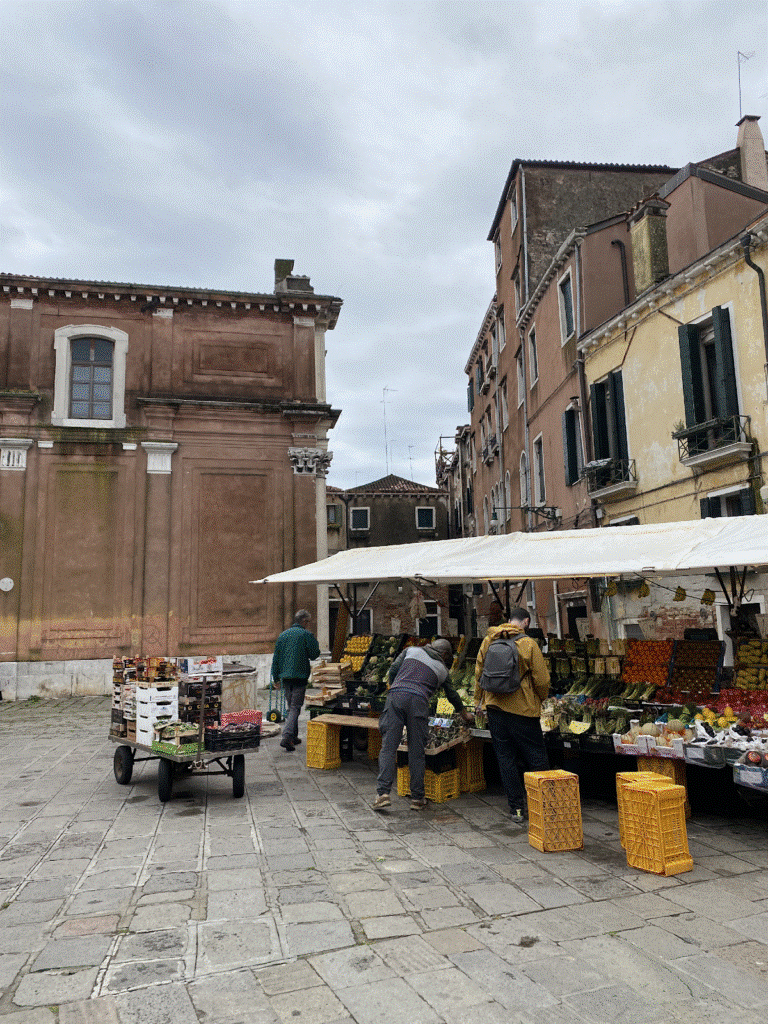
Climate by Region
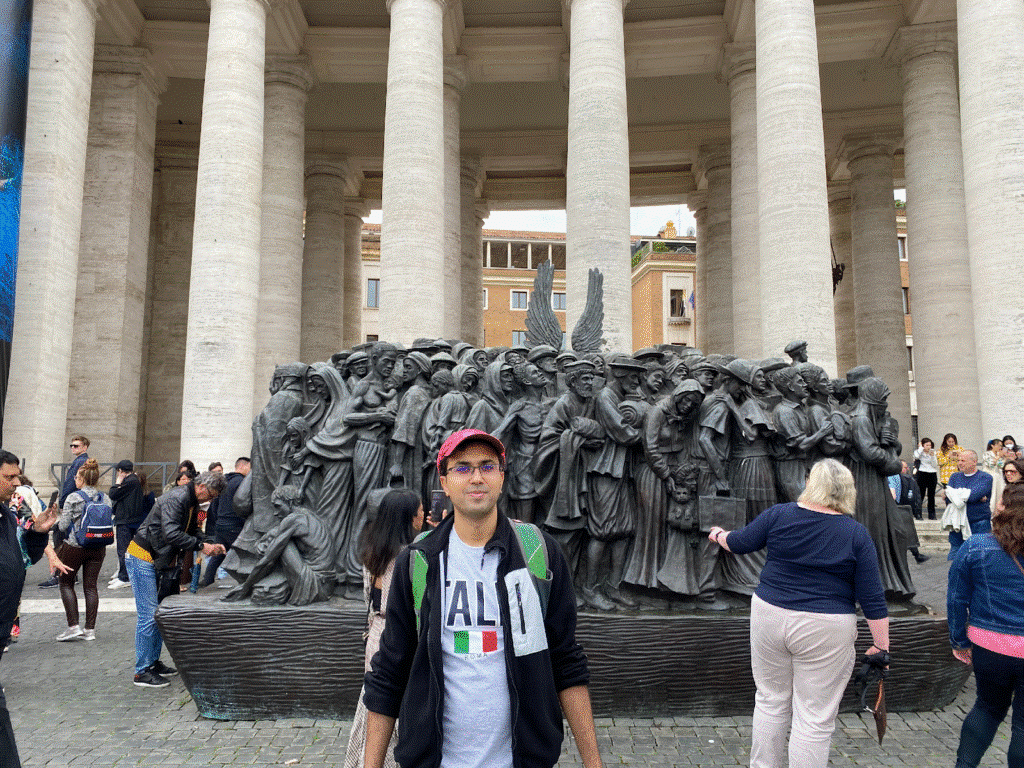
Italy's weather shifts noticeably depending on where you are.
Staying Safe in Italy
Italy is a safe, welcoming country overall, but like most heavily touristed places, pickpocketing happens in crowded areas.
Keep your things close, especially around major sights and on public transport, and you'll be fine. A little awareness goes a long way here.
Before You Go
Everything above, reduced to the things you actually have to do. Tick them off as you sort them.
My takeaway
The trains taught me the real lesson of this trip: timing beats almost everything else in Italy. Book Trenitalia or Italo before you're standing at the station, pick your season based on what you actually care about — cost or weather — and know which of the three visa lanes you're in before you fly. None of it is complicated. It's just easy to get wrong once, the way I did at Roma Termini.

If this was useful, the Sunday email is more of it.
One email a week. What I published, what changed in the rules, one good thing I read. Leave any time.