Maldives Travel Guide: Resort or Local Island
A practical guide to choosing between a private resort island and local island stay, plus visas, getting around, safety, weather and budgeting.
Two Very Different Ways to Experience the Maldives
The Maldives is a nation of 1,192 islands scattered across the Indian Ocean, and it's known for exactly what you'd expect — white sand, impossibly clear water, and those overwater bungalows you've seen in every honeymoon ad.
It's famous as a honeymoon destination, but it works just as well for families, groups of friends, or anyone chasing a proper beach vacation.
Here's what most people don't realize going in: there are really two completely different ways to do the Maldives.
The most luxurious and popular option is a private island resort — overwater villas, exclusive everything, the price tag to match.
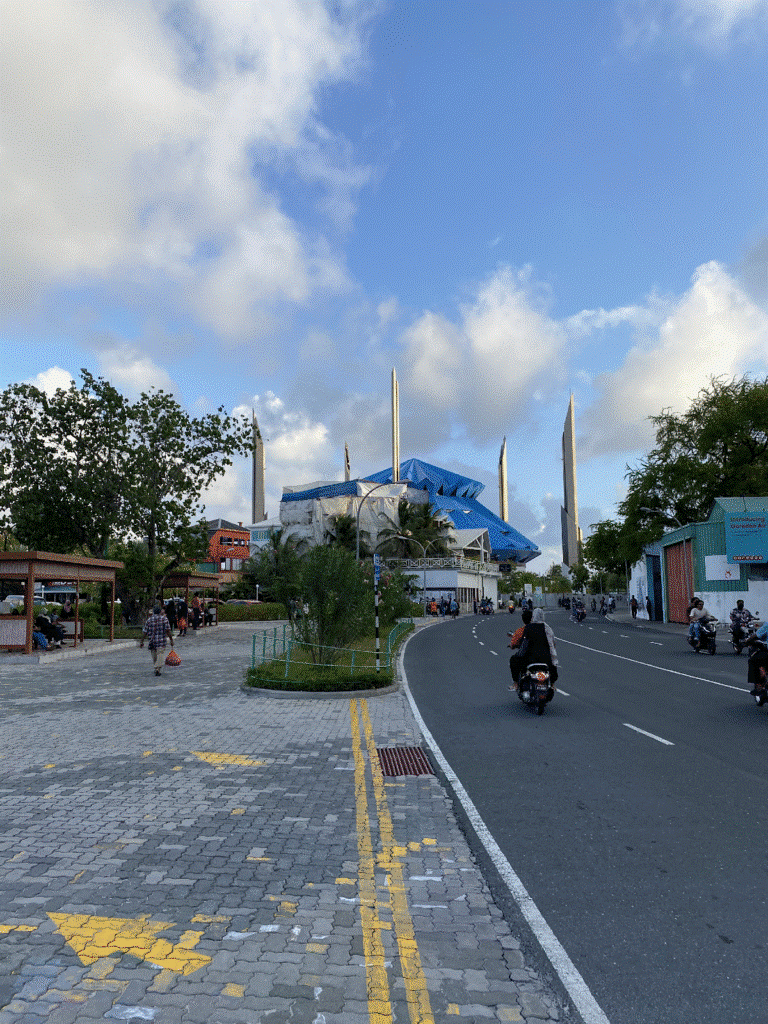
But you can also stay on local islands like Malé, Hulhumalé, or Maafushi, where accommodation is far more affordable and you actually get a taste of local Maldivian life instead of a bubble experience.
Local Islands & Culture
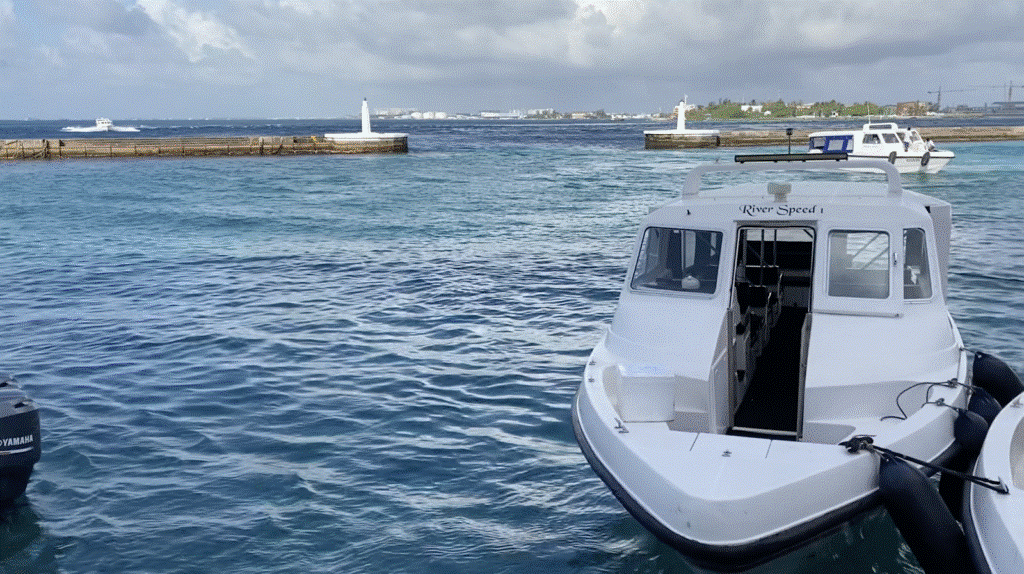
The local currency is the Maldivian Rufiyaa (MVR) — roughly 1 USD to 15.41 MVR, though that shifts over time, so treat it as a rough guide rather than gospel.
USD is widely accepted almost everywhere, too.
One thing worth knowing before you pack: the Maldives is a Muslim country, and if you're staying on local islands like Malé, Hulhumalé, or Maafushi, dressing modestly — covering shoulders and knees in public areas — is important out of respect for local customs.
On private resort islands, none of that applies; you can wear whatever you like.
Do You Need a Visa for the Maldives?
The Maldives issues visas on arrival for all tourists, which makes entry fairly painless, but there are a few boxes to tick.
You'll also need to submit the Traveller Declaration form online before you arrive — this must be done at least 4 days before arrival. It's free and done entirely online.
A Yellow Fever vaccination certificate is only required if you're arriving from a country on the Maldives' list of Yellow Fever endemic countries.
Getting to Your Island
Once you land at Velana International Airport, the real logistics question starts.
Unlike a city where you just grab a taxi or hop on a train, how you get to your accommodation in the Maldives depends entirely on where you're staying.
Boats and Ferries
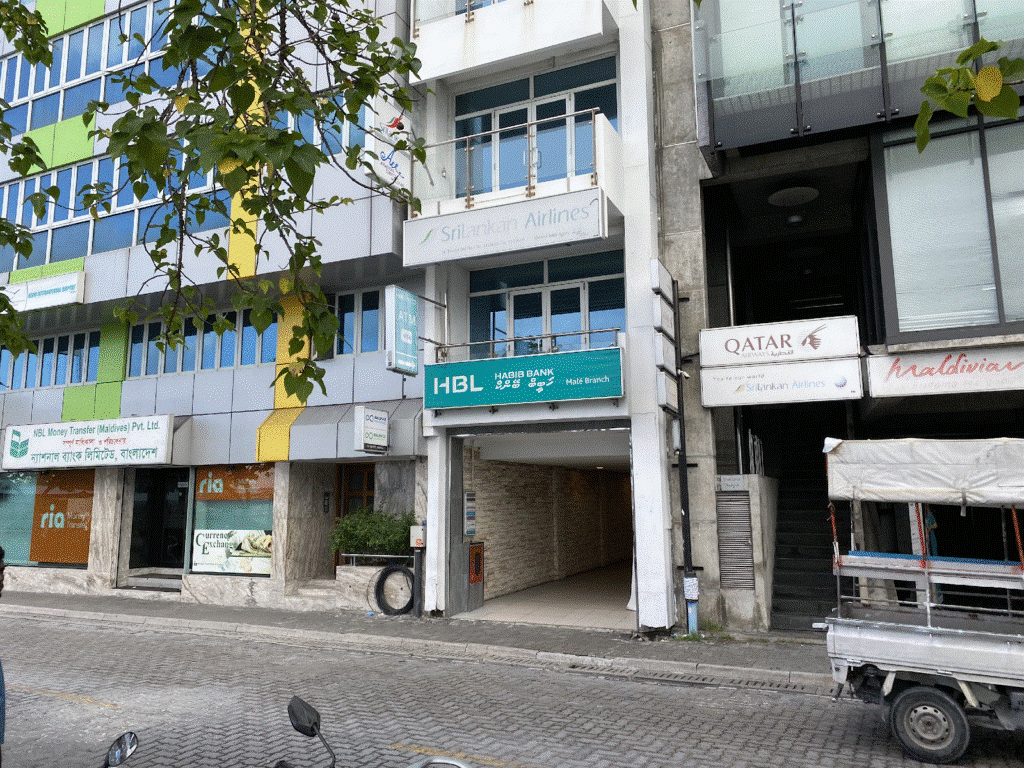
If you're heading to a local island close to the airport, like Malé, a boat or ferry is the cheapest and most straightforward option.
I paid just 10 MVR (about $0.65 USD) for a one-way boat ticket — it doesn't get much more budget-friendly than that.
Domestic Flights and Seaplanes
If your resort sits farther out, you're looking at either a domestic flight or a seaplane, and seaplanes come with their own quirks.
The seaplane terminal is separate from the main international arrivals area, so budget time to find it.
Seaplane transfers are mostly run by Trans Maldivian Airlines, and they're one of the pricier parts of a Maldives trip.
They're generally used for resorts 30 to 60 minutes out, and they do come with luggage restrictions worth checking before you pack.
Staying Safe
Crime is rare on private resort islands, but petty theft still happens — keep an eye on your things and don't leave valuables unattended on the beach or in an unlocked room.
On local islands or public beaches, dressing modestly matters — skip short or tight-fitting shorts in these areas.
It's also illegal to take tortoiseshell jewelry or ornaments out of the Maldives, so steer clear of buying or carrying any.
The sea here can have strong currents, and drownings do happen among tourists every year.
Stick to designated swimming areas, follow posted warnings, and be cautious snorkeling or diving, especially if you're not an experienced swimmer.
Best Time to Visit (and What the Weather Does)
The Maldives runs on a tropical climate with two seasons: the dry northeast monsoon from November to April, and the wet southwest monsoon from May to October.
The dry season — especially December through April — is the best window for beach time and diving, with temperatures sitting comfortably between 25°C and 31°C (77°F to 88°F).
Budgeting for the Maldives
If you're watching your budget, staying on a local island like Malé, Hulhumalé, or Maafushi is the move — you save real money while getting a more authentic slice of Maldivian culture than a resort bubble offers.
On the resort side, beach villas tend to be the more affordable luxury option while still delivering stunning views and direct beach access — they're also genuinely practical for families with toddlers since there's more room to move and easy access to the shoreline.
Water villas are the romantic, bucket-list option, but they come at a real premium, so it's worth weighing that against what you actually want out of the trip.
If you want a taste of both worlds without blowing the whole budget on one, splitting your stay works well.
If you want a taste of both worlds without blowing the whole budget on one, splitting your stay works well — a few days on a local island to keep costs down, then a few nights at a resort for the experience you came for.
Maldives: Resort or Local Island?
Choose the experience that fits your trip, or combine both for a taste of local island life and the resort experience.