Switzerland Travel Guide: What It Actually Costs, and What Surprised Me
A first-hand guide to visa rules, the ETIAS changes, real prices for food and transport, and the things I only found out by turning up.
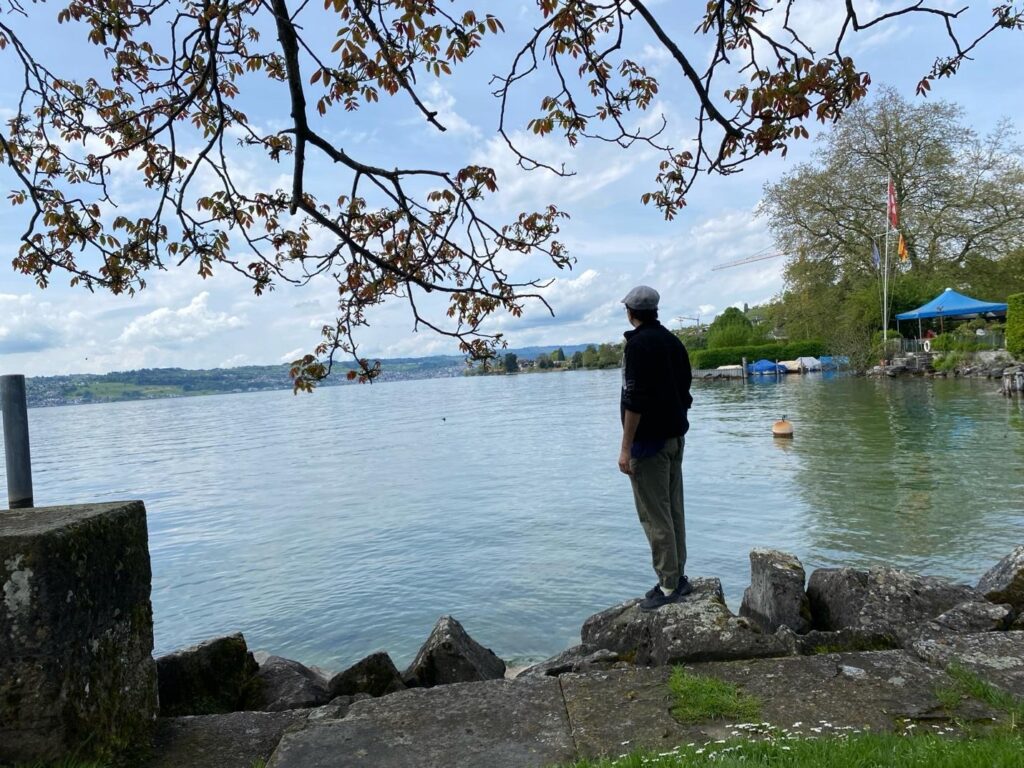
I landed in Zurich expecting Switzerland to be beautiful. I didn't expect the trains to become one of my favorite parts of the entire trip.
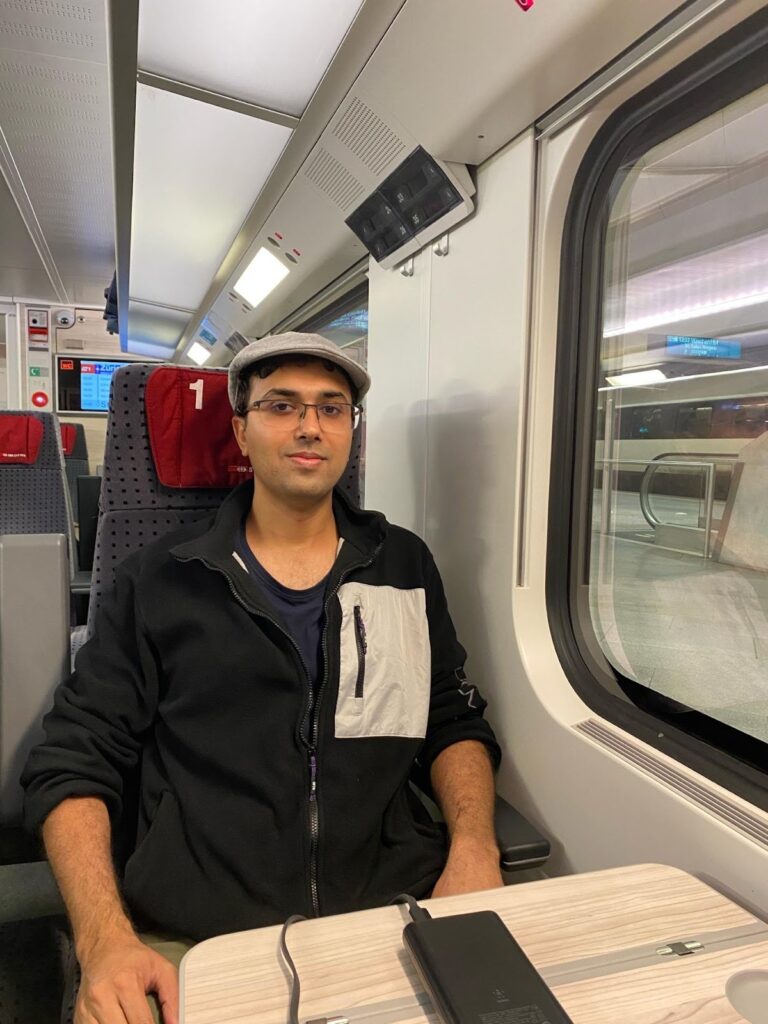
That's the thing about Switzerland — it's one of those countries where the postcard version and the real version actually match up. Alpine views, tidy old towns, chocolate shops on every corner.
It sits wedged between Germany, Austria, France, and Italy, and that mix shows up everywhere, especially in language. German, French, Italian, and Romansh are all part of daily life depending on where you are.
Even though it's inside the Schengen Zone, Switzerland keeps its own currency, the Swiss Franc — at the time of writing, roughly 1 USD to 0.80 CHF, though that number moves around, so don't treat it as gospel.
If you love chocolate, you already know the names — Lindt and Toblerone both call Switzerland home. And if cheese is more your thing, don't leave without trying Emmental and Gruyère. Bern, the capital, is worth slowing down for too — the old town has that "step back in time" feeling, and the Bear Park is a nice, low-key way to spend an hour.
Do you need a visa for Switzerland?
Switzerland follows Schengen visa rules, so the answer depends entirely on which passport you hold. Pick the one that applies to you.
If you're a national of a visa-free country — the US, UK, Canada, Australia, Japan, South Korea, Brazil, Mexico, or the UAE, among others — you can currently enter the Schengen Area, Switzerland included, without a visa for short stays.
There is a change coming for you, though. See the ETIAS box below.
Switzerland follows Schengen visa rules, so if you already hold a Schengen visa from another member country, you generally don't need a separate one to enter.
If you're a citizen of countries like India, China, Pakistan, Egypt, Indonesia, Nigeria, the Philippines, Russia, South Africa, or Turkey, you'll need a short-stay Schengen visa to enter — applications open up to six months before your trip.
A couple of practical rules worth knowing: if you're visiting several Schengen countries, apply through the consulate of the country where you'll spend the most time. If your time is split evenly, apply through the consulate of whichever country you enter first.
For most nationalities, the visa costs around €90 for adults.
Switzerland is gorgeous, and it is not cheap. I felt that within the first few hours.
ETIAS: what's changing
There's a change coming for travelers from visa-free countries: a new online travel authorization called ETIAS, similar in spirit to the US ESTA system. It's not a visa — it's a pre-travel screening you'll complete online before you fly, valid for three years (or until your passport expires) and covering unlimited entries within that window.
Once it does launch, there will be a transition period where travelers can still enter without it, so nothing is required from you right now. Just keep an eye on the official portal (travel-europe.europa.eu/etias) before booking travel for late 2026 or 2027 — and ignore any other site charging you to "apply early," since the real application isn't open yet.
What Switzerland actually costs
Where I stayed
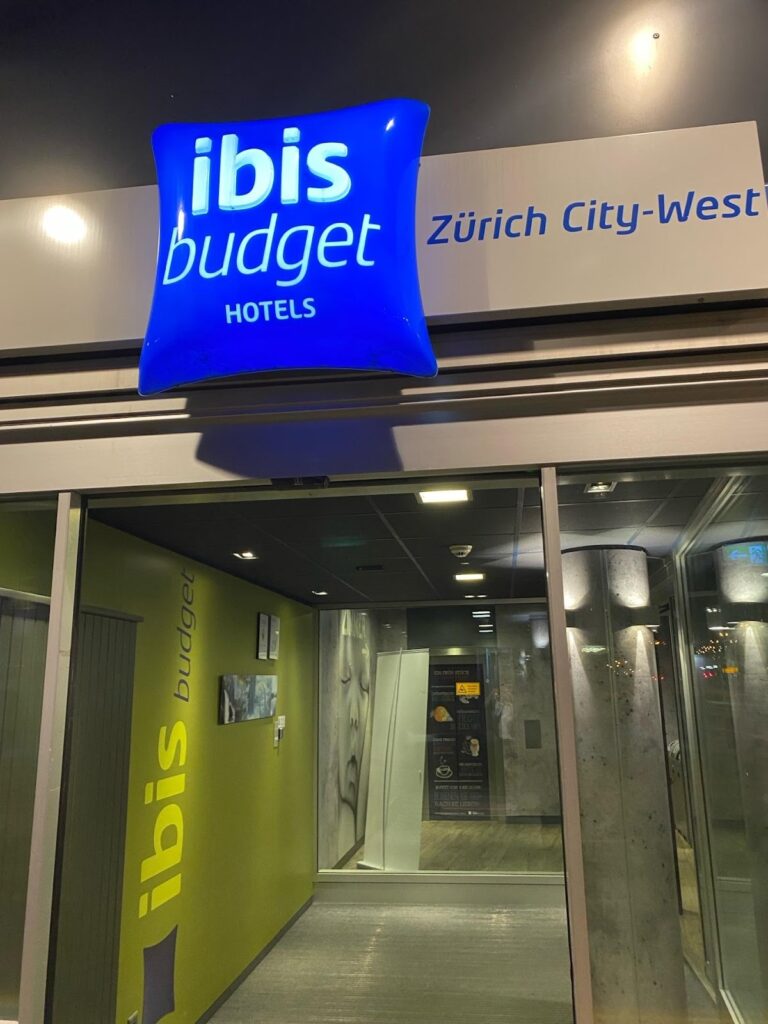
Hostels and budget hotels generally start around 30–50 CHF ($34–56 USD) a night. I stayed at ibis Zurich — nothing fancy, but exactly what I needed for a short stay. The room was small, with a compact bathroom and shower, but everything was clean and well organized. Good option if you're solo or just passing through.
Breakfast was simple and honestly a nice start to the day — fresh bread, some fruit, jams, honey, corn flakes, cheese, and a strong coffee before heading out to explore Zurich.
One thing genuinely caught me off guard, though: a single bottle of water at the hotel entrance was around 4.5 CHF (about $5 USD). For water. If you're staying in Zurich, skip that and head to Coop City, one of the main supermarkets — it's noticeably cheaper and you'll have way more options.
Food, snacks, and small surprises
Eating out isn't gentle on the wallet — restaurant meals typically run 25–60 CHF ($28–67 USD), and even fast food lands around 15 CHF ($17 USD). To keep costs down, look for lunch specials in the 9–15 CHF ($10–17 USD) range, shop at Coop, or cook if your accommodation has a kitchen.
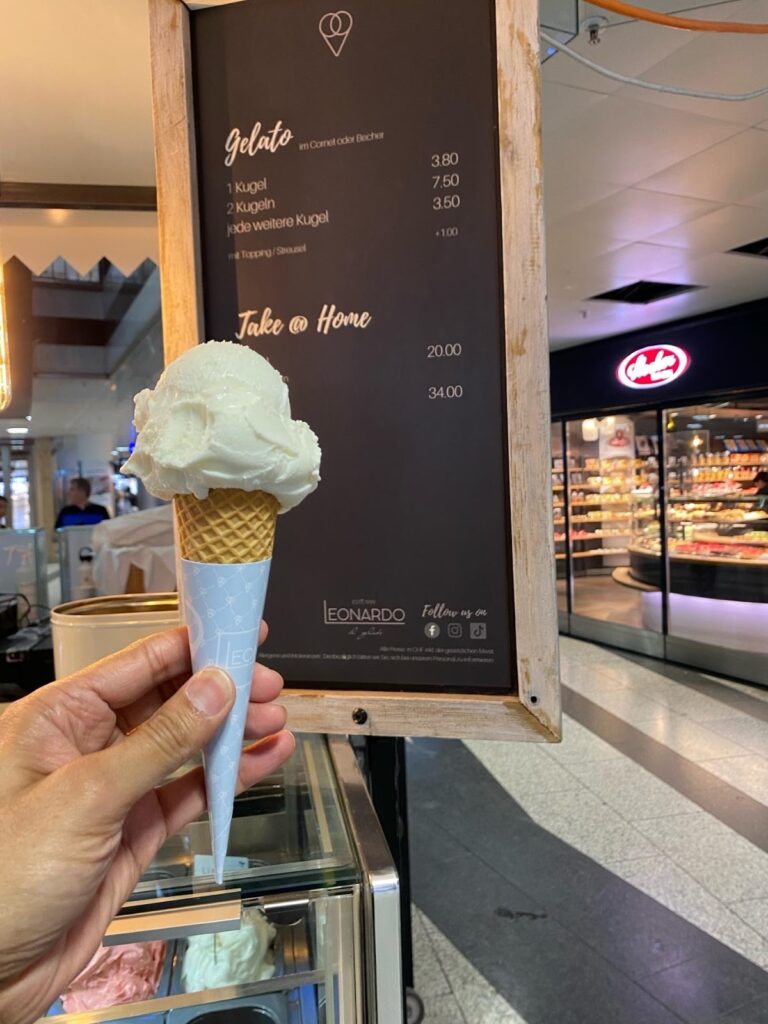
Snacks and desserts can add up, but if you look around, there are always little local spots or supermarket counters where you can treat yourself without spending much.
Getting around, and paying less for it
Public transport in Switzerland is efficient, clean, and genuinely easy to navigate — but it's also one of the most expensive systems in Europe. From my own experience, the punctuality is almost unreal; a minute's delay is rare, which felt like a novelty coming from somewhere less reliable.
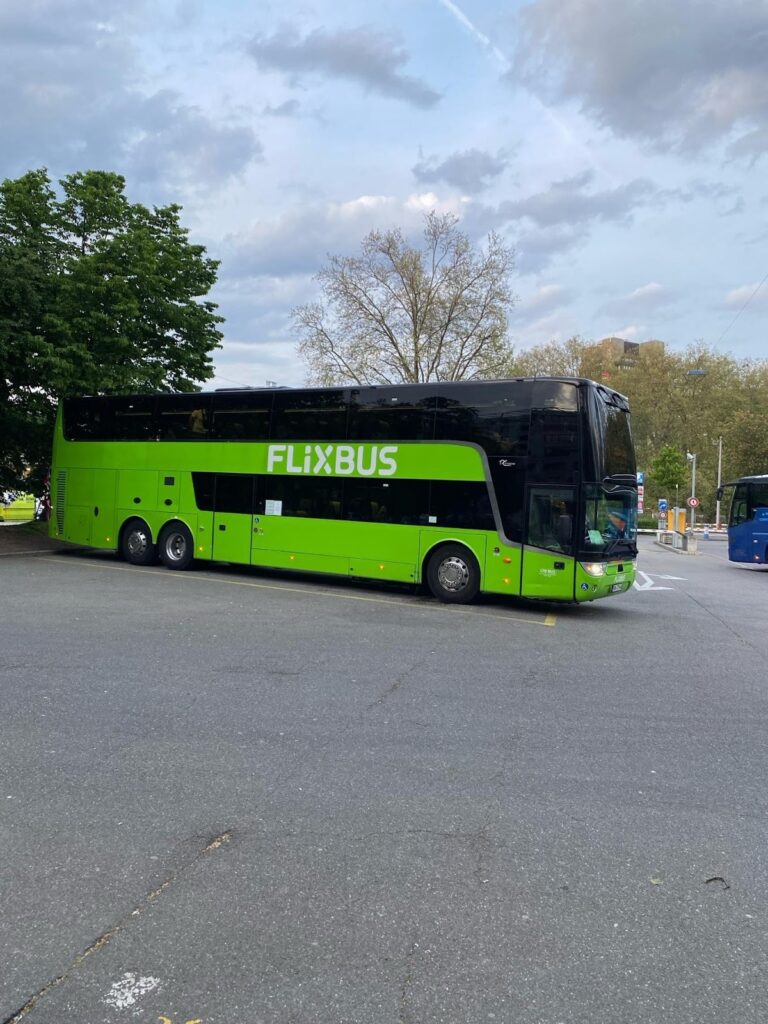
SBB (Swiss Federal Railways) runs the main train network, and Swiss trains are used more than in almost any other European country. Buses are the cheaper alternative but slower.
To cut costs, the Swiss Half Fare Card is worth looking at — it runs about $188 USD per month for adults (16 and up) and gets you 50% off trains, buses, boats, and most mountain lifts. The Swiss Travel Pass is another option and covers almost all public transport in one go, including many high-mountain lifts.
Is Switzerland safe?
Overall, yes — Switzerland is a very safe country to travel in. That said, petty crime like bag snatching and pickpocketing has been increasing, especially in busy tourist areas, on public transport, and on overnight trains. It tends to pick up during peak summer and around Christmas.
Nothing that should scare you off, just standard awareness — keep valuables secure and stay alert in crowds.
Best time to visit
Switzerland's weather is fairly predictable — hot summers, cold winters — but the mountains do their own thing. A warm summer day can flip into a storm fast, and temperatures in the Alps can drop sharply overnight, even in August. Snow at higher altitudes isn't unusual even in warmer months.
Great if you want lower costs and fewer crowds while still getting good sightseeing and outdoor weather.
July and August are peak season — warm, sunny, long daylight hours (the sun doesn't set until after 9 PM), and ideal for hiking, cycling, and lake time. Higher altitudes stay cooler, so the Alps double as a heat escape.
Early fall is still pleasant for outdoor activities, and October–November are the cheapest months to visit.
It's also a good stretch for food — many restaurants serve Swiss-style Spätzli alongside chestnuts, sprouts, red cabbage, and berries.
Winter, of course, is ski season — snow-covered peaks, world-class resorts, and alpine villages that lean fully into the cozy factor.
Before you go
Everything above, reduced to the things you actually have to do. Tick them off as you sort them.
My takeaway
Switzerland is the rare place that lives up to its own postcards, and it will charge you for the privilege. The costs are real and there is no clever trick that makes them go away — but the gap between an expensive trip and a manageable one came down to small, boring decisions. Eat the lunch special. Buy water at the supermarket. Work out the train card before you start buying tickets. Pack for a mountain even when the forecast says summer.
And take the train more than you think you need to. That is the part I did not plan for and the part I would go back for.
If this was useful, the Sunday email is more of it.
One email a week. What I published, what changed in the rules, one good thing I read. Leave any time.